
For Me, He Became Mom

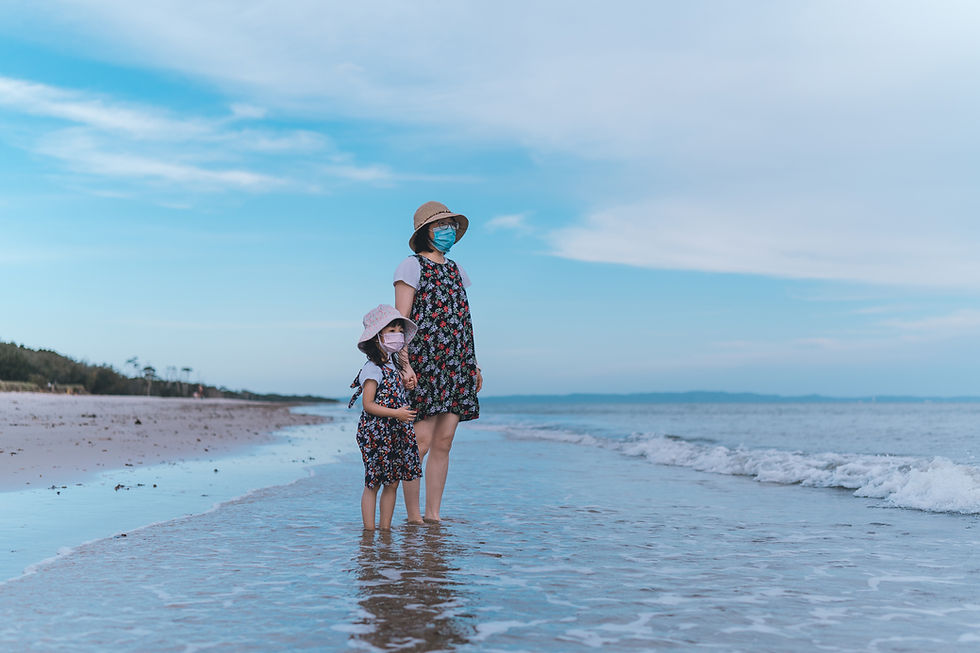
Short Story
This heartwarming emotional short story explores unconditional parental love, sacrifice through the eyes of a child raised by a single parent. On a 65th birthday, a simple moment unfolds into a profound revelation about devotion, resilience, and the quiet choices made to protect a child from loss. As memories of childhood care, societal judgment, and silent strength surface, the story reveals how love can transcend roles and expectations. A deeply moving narrative about family, chosen sacrifice, and what it truly means to be a parent.
As I handed my dad his 65th birthday card, he looked up at me with tears in his eyes and said,
“Today is not my birthday,” he smiled.
I squinted. Confused.
Then he smiled again, softer this time. “You always choose blue.” I laughed, because he was right. Blue turquoise sequins-work dress tied with blue ribbons. Blue icing on cheery pink cake. Blue followed us like a quiet promise neither of us had ever named. He pressed the card to his chest, steadying himself the way he always did when emotions came too close. The house smelled of cardamom tea and old books, the same smells that had raised me.
Yes, He had raised me alone. But, he never made me feel incomplete.
My mother died the day I was born. The words were always said plainly, like a fact that shouldn’t be touched for too long. There were no photographs on the walls. Just care, shaped like hands that were always ready. Like bedtime stories told in different soft voices so I wouldn’t feel the gap.
Dad was everywhere in my childhood.
School plays. Parent meetings. Late-night fevers. He learned how to braid hair from YouTube before it was normal. Learned about periods and ponytails and patience without once making it feel awkward. When nightmares came, he didn’t ask questions. He hummed. When I cried, he didn’t rush to fix me. He stayed.
Outside our home, people stared. Whispers followed us in grocery store aisles. Teachers hesitated during parent-teacher meetings. Relatives spoke in half sentences and full judgments. Neighbors asked questions that were never questions. He heard all of it. Felt all of it. Carried it home silently and left it at the door.
I never saw the weight.
To the world, he was strange. Unusual. Something to be discussed when backs were turned.
To me, he was normal. He was warmth. He was safety. He was everything.
When other kids talked about their mothers, I never felt jealous. I felt… full. As if whatever they had, I had already been given in abundance.
When I failed, he cooked instead of lecturing. When I cried, he held space instead of answers.
That day, on his sixty-fifth birthday, his hands trembled as he opened the card. Inside, I had written what I always did.
Thank you for everything.
I love you more than I know how to say.
He read it twice. Then he looked at me.
“I was terrified,” he said, his voice collapsing gently. “When you were born and she didn’t make it… the nurses took you away. I sat there thinking, how does a baby survive without a mother?”
I swallowed, suddenly five years old again.
“I didn’t know how to be both,” he said. “But I knew you shouldn’t grow up missing something you never chose to lose.”
I took his hand. It was smaller now. Softer. The hands that had braided hair, wiped tears, faced the world for me.
“So I learned,” he whispered. “Not just how to raise you. But how to be there the way she would have been. Every single day.”
He wiped his eyes and smiled through tears. “I hope I did okay.”
I nodded, my throat closing around the truth. As I hugged him, my head against his shoulder, the last piece finally settled into place.
For years, he lived two lives.
One the world could see. One he carried quietly inside. He bore the stares, the half-questions, the loneliness of being “different” without ever explaining why. Whatever pain he endured, he learned to fold it small enough that it never reached me.
Much later, when my childhood no longer needed protecting, when silence had done its work, he made his final choice.
He chose surgery. Judgment. Loss of the body he was born into. Not because he wanted the world to call him anything different, but because he wanted me to grow up never knowing what it feels like to miss a mother.
He didn’t change his role.
He changed himself.
For the world, he was, is and will remain strange.
For me, he became Mom.


Nicely penned